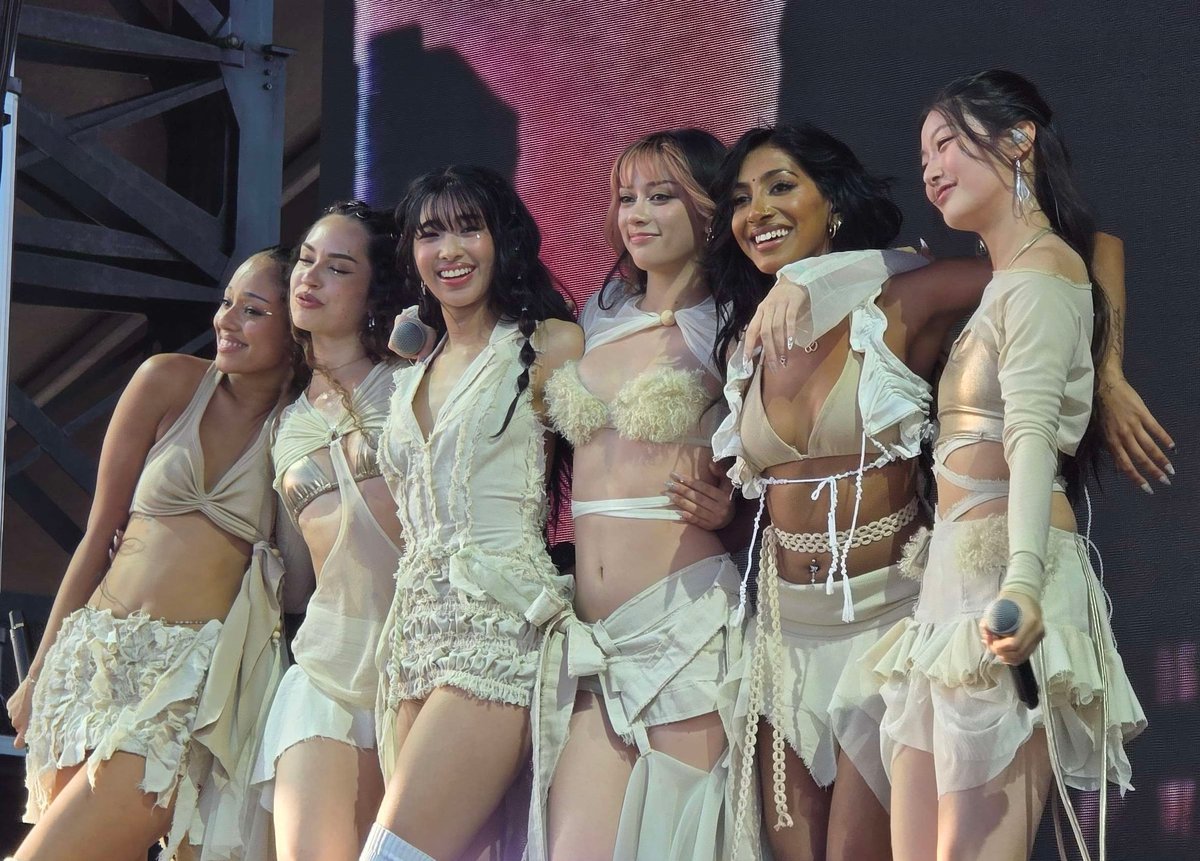
Katseye rolled into London’s O2 Arena down two members and up several million TikTok followers, which is apparently how math works in 2026. The girl group performed to a sold-out crowd despite a roster that looked less like a lineup and more like a group chat where half the people didn’t respond. The fans showed up anyway. They screamed anyway. They bought merchandise anyway.
This is the actual economy now. A band can shed 40 percent of its original members and somehow become more culturally relevant. The missing performers didn’t tank ticket sales or diminish the mystique—they weaponized it. Absence as a marketing strategy has officially replaced talent as the primary driver of engagement.
Why does a depleted group outperform its full-strength version? Because social media has trained us to mourn and mythologize the same thing simultaneously. Every missing member becomes a narrative. Every empty spot on stage becomes a parasocial wound that fans feel compelled to heal by consuming more content, buying more tickets, streaming more audio. The algorithm doesn’t reward completeness. It rewards drama, incompleteness, the sense that something is broken and only your devotion can fix it.
Katseye’s London show wasn’t a concert. It was a masterclass in modern pop economics: remove the product, increase the price, watch the demand curve invert. The crowd loved them not despite the gaps but because of them. Suffering is engagement. Suffering is profit. The show dazzled because the audience was doing half the work, filling in the missing pieces with their own desperation.
Two members gone. Revenue up. This is fine.