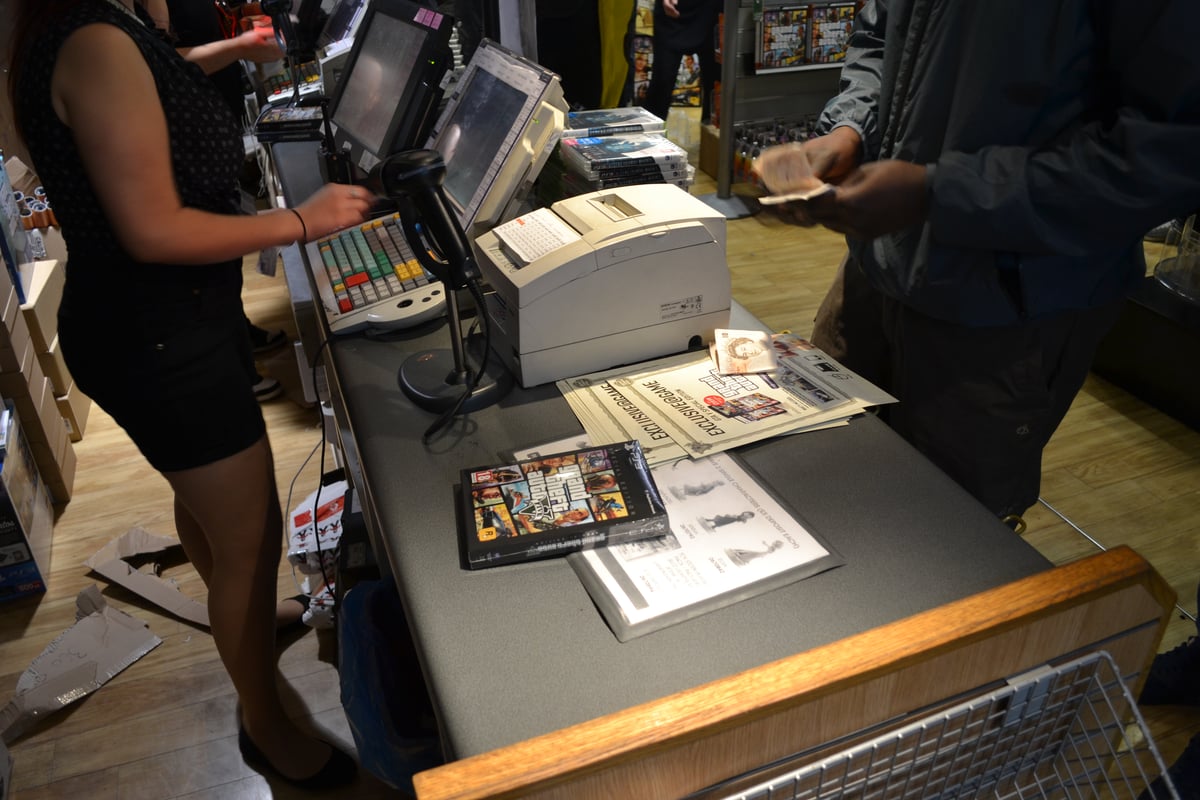
Rockstar has solved the eternal problem of video game retail: how to charge full price while eliminating the product. Physical copies of GTA 6 will contain a code. That’s it. No disc, no cartridge, no actual thing you own. Just a piece of cardboard with instructions to download the real game from the internet.
This is the logical endpoint of a decade spent convincing people that ownership is a relic. You’re not buying GTA 6 for £70. You’re buying a license to access GTA 6, printed on a receipt, wrapped in plastic that cost more to manufacture than the cardboard inside it.
The physical edition exists to solve a problem that doesn’t exist. Retailers need shelf space filled with things that have barcodes. Consumers want to pretend they’re buying something tangible. Rockstar wants the manufacturing cost of cardboard while charging the price of a full game. Everyone wins except the person holding the box.
Why not just sell digital copies at a discount? Because psychology. A £70 digital purchase feels abstract and regrettable. A £70 physical box feels like you bought something real, even though you bought nothing. The cardboard is the product now. The game is just the license agreement that comes with it.
This is not innovation. This is the video game industry admitting it has no interest in selling you games anymore—just the right to play them while they own the infrastructure. The box is just theatre.