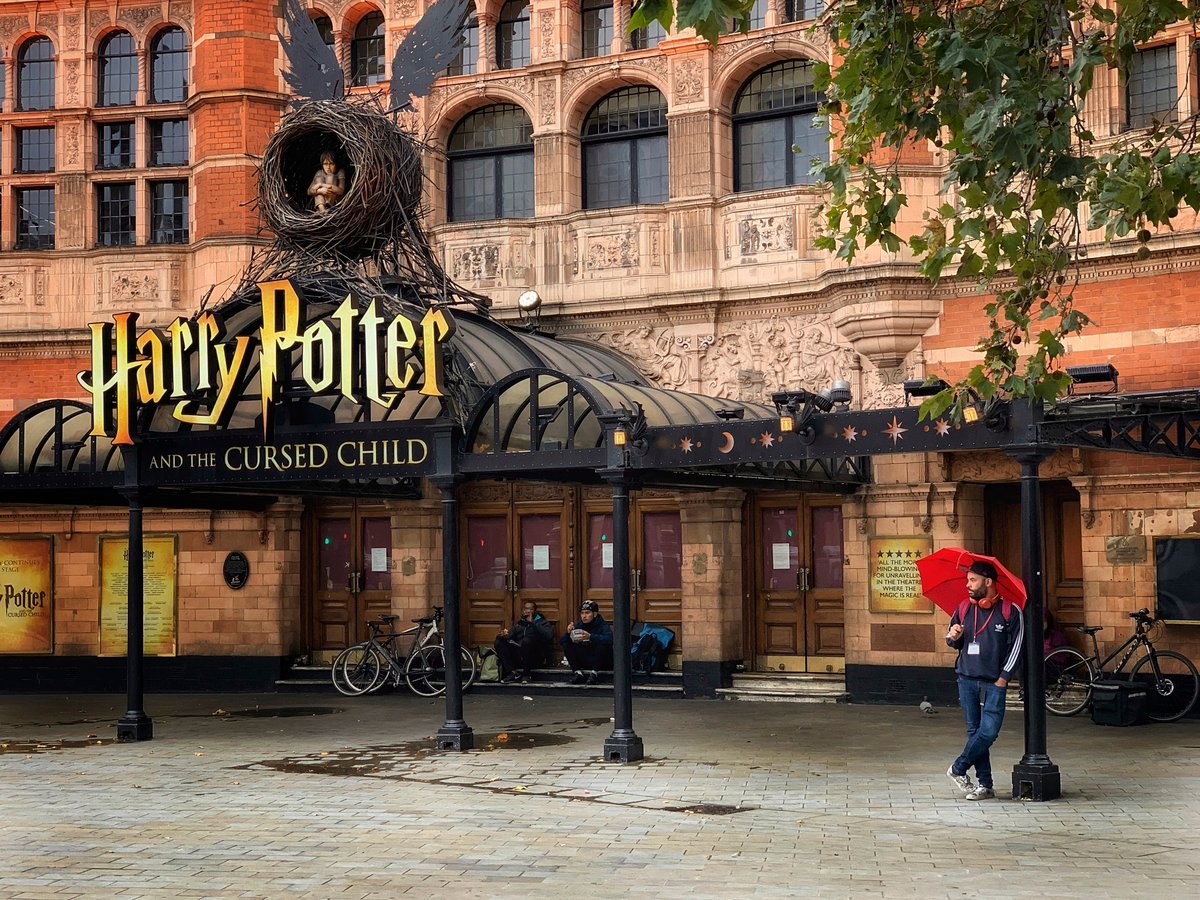
A decade-long London production of Harry Potter and the Cursed Child is collapsing from two parts into one. The producer didn’t say the show was bad. Didn’t say audiences stopped caring. Said the cost of living made running it impossible.
This is what peak cultural moment looks like in 2026: a phenomenon so massive it defined a generation, now being edited down like a YouTube video because the math no longer works. The Wizarding World couldn’t magic its way past inflation.
The two-part structure was the whole point—a theatrical event, an experience, something you blocked out an entire day for. Now it’s a single show. Same characters, same plot, same magic, just faster and cheaper because that’s what survival requires. The producer essentially admitted that cultural importance means nothing when the venue’s heating bill has tripled.
What does it say about a society when even its most beloved institutions get downsized during a cost-of-living crisis? That culture is a luxury item. That magic, it turns out, is less resilient than a subscription service.
The show reopens next month as a streamlined version. Fewer wizards per pound spent. Maximum spectacle for minimum outlay. It’s not a failure of the production—it’s a failure of the economic model that’s supposed to support things people actually want to see. The Wizarding World survived Voldemort. It couldn’t survive the Bank of England.