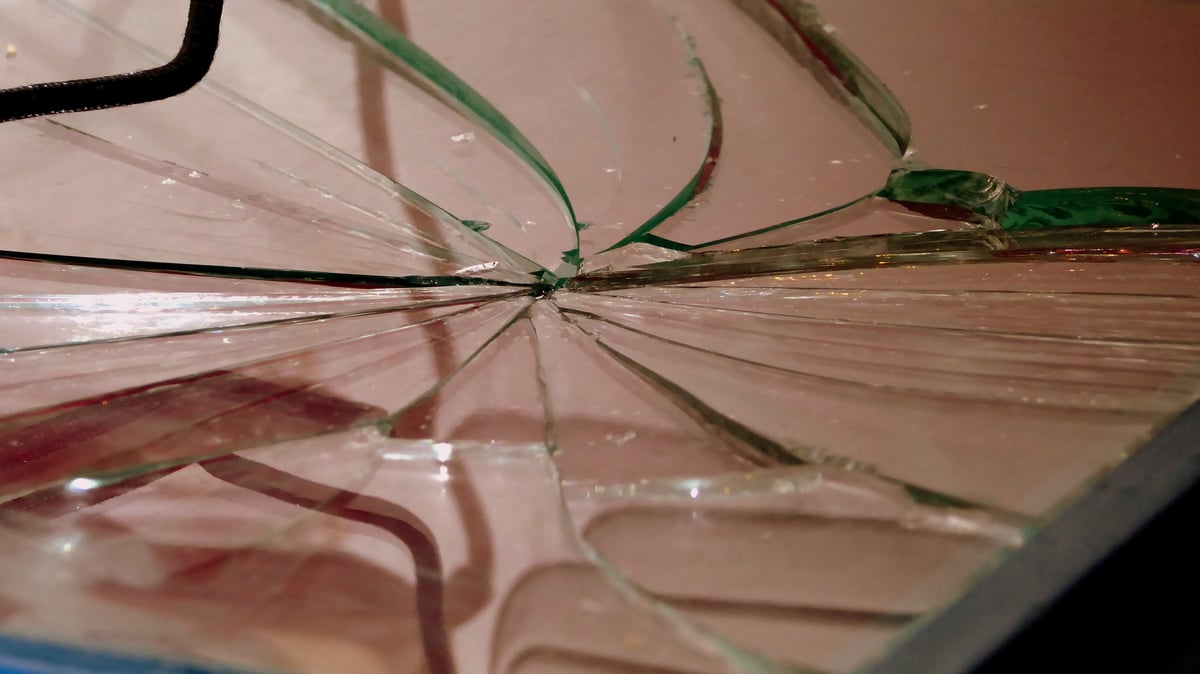
A shopping centre in China experienced structural damage this week when fans attempting to glimpse Zhang Linghe from the TV series Pursuit of Jade broke through a glass door. The star was inside. The fans were outside. The door was not. This is what we have collectively decided is a reasonable allocation of resources and personal safety in 2026.
Let’s establish the baseline absurdity: people gathered in sufficient numbers and with sufficient force to destroy reinforced glass for the chance to see a person they do not know, who does not know them, through a transparent barrier. The door was doing its job. The fans were not. Yet somehow the door failed first.
What makes this not just mundane celebrity chaos but genuinely instructive is the specificity of the desperation. These were not fans trying to touch the star, speak to the star, or obtain a signature. They wanted to be in the same general vicinity as the star while separated by a physical barrier. The goal was not interaction—it was mere proximity to a person whose primary qualification was appearing in a television programme.
The cultural logic here deserves examination because it has calcified into something almost architectural. We have built entire industries—red carpets, velvet ropes, security cordons, VIP sections—specifically to create and maintain the experience of being near someone famous while being unable to reach them. These barriers are not accidents. They are the product. The glass door at the shopping centre was simply being honest about what the system actually delivers: a view, and nothing else.
Consider what the broken glass tells us about value assignment. A television actor’s mere presence was worth enough to justify the risk of injury, the waste of an afternoon, and the destruction of property. Not worth enough to convince the actor to come outside and acknowledge the crowd. Worth exactly enough to stand at a transparent obstacle and hope something happened. This is the economic model of modern fandom: infinite demand for finite, meaningless access.
The shopping centre will replace the door. The fans will disperse. Zhang Linghe will continue existing in a state of professional untouchability. The cycle will repeat with the next actor, the next show, the next shopping centre. We have optimized for the infrastructure of disappointment and called it entertainment.
What’s particularly efficient about this setup is that it requires no actual service from the celebrity. The value is entirely manufactured by the gap between access and non-access. Close that gap—let the actor come outside and wave—and the whole economy collapses. The fans don’t actually want a conversation. They want to have been there when it was impossible to have a conversation. The broken glass is not a failure of the system. It’s the system working exactly as designed.
The real question is not why fans broke through a door, but why we built a world where that seemed like a reasonable decision. The answer is that we have spent decades telling people that proximity to the famous is a legitimate form of fulfillment. We have made it a category of experience. We have given it a name: celebrity culture. And then we act shocked when people take it seriously enough to destroy property.
The shopping centre’s glass door was simply the first barrier to discover what happens when you tell millions of people that seeing someone on television is the closest they will ever get to meaning, and that this is acceptable. The door was not equipped for the full weight of that proposition. Neither are the people who broke it.