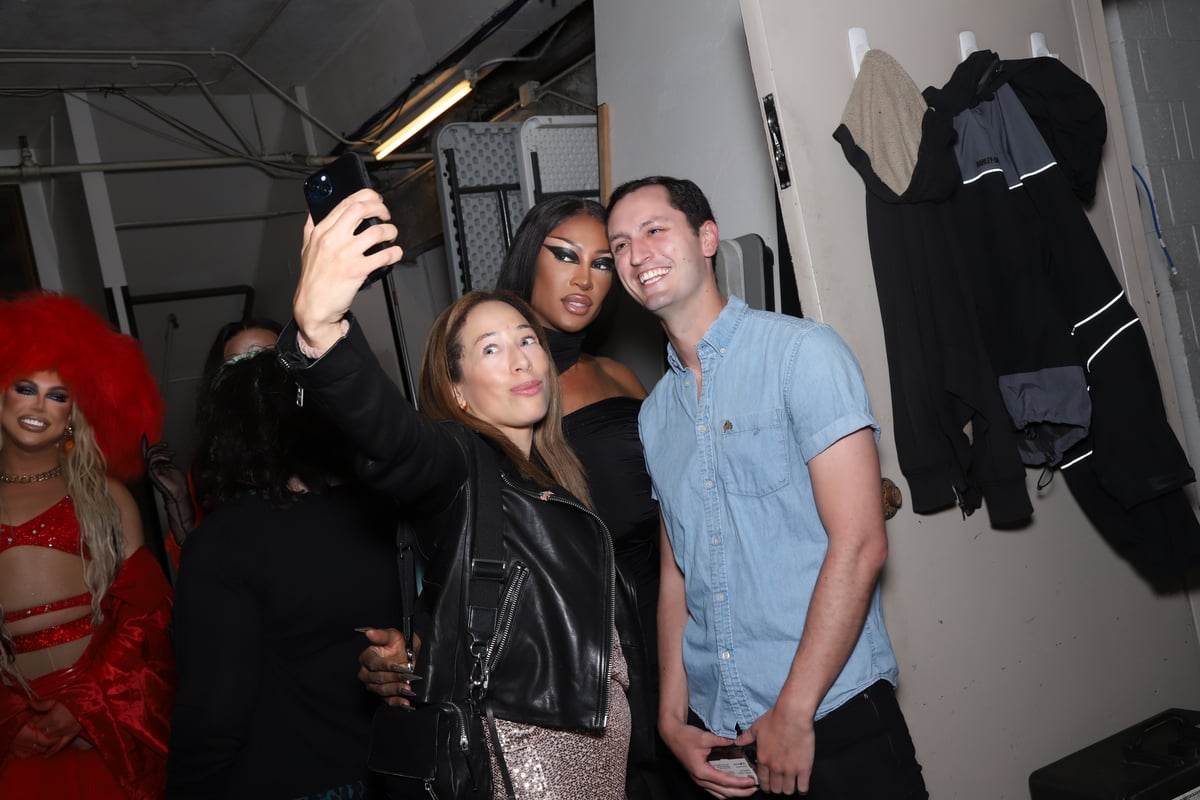
The BBC has decided that eight seasons of a culturally significant show with actual audiences was enough. Drag Race UK is moving to a streaming platform owned by the production company that makes it, which is the corporate equivalent of your friend suggesting you’d be happier if you just moved into their basement.
This is not a new story. This is the story. A public broadcaster nurtures something genuinely loved, builds it into a cultural fixture, then watches helplessly as the production company decides the real money is in owning the distribution. The BBC gets the credit for discovery. The streamer gets the subscription fees and the algorithm.
What makes this particular pivot absurd is the framing. Nobody at the BBC or the production company will admit they’re chasing quarterly earnings reports. Instead, they’ll call it reaching new audiences, creative freedom, investment in production quality—the standard corporate poetry that translates to: we found a way to extract more value from the same intellectual property.
Drag Race UK worked on the BBC because it had constraints. It had a channel identity. It had a schedule. It existed in a cultural moment rather than an infinite scroll. Now it will be one tile among ten thousand other tiles, optimized for retention metrics and algorithmic promotion, competing for your attention against true crime documentaries and reality shows that cost ninety percent less to produce.
The show will probably still be good. The queens will still perform. But it won’t belong to anyone anymore. It will belong to engagement rates and watch-time targets and whatever the algorithm decides counts as content worth recommending at 11 p.m. on a Tuesday.
That’s not an upgrade. That’s just what happens when every cultural product becomes a line item in a spreadsheet.