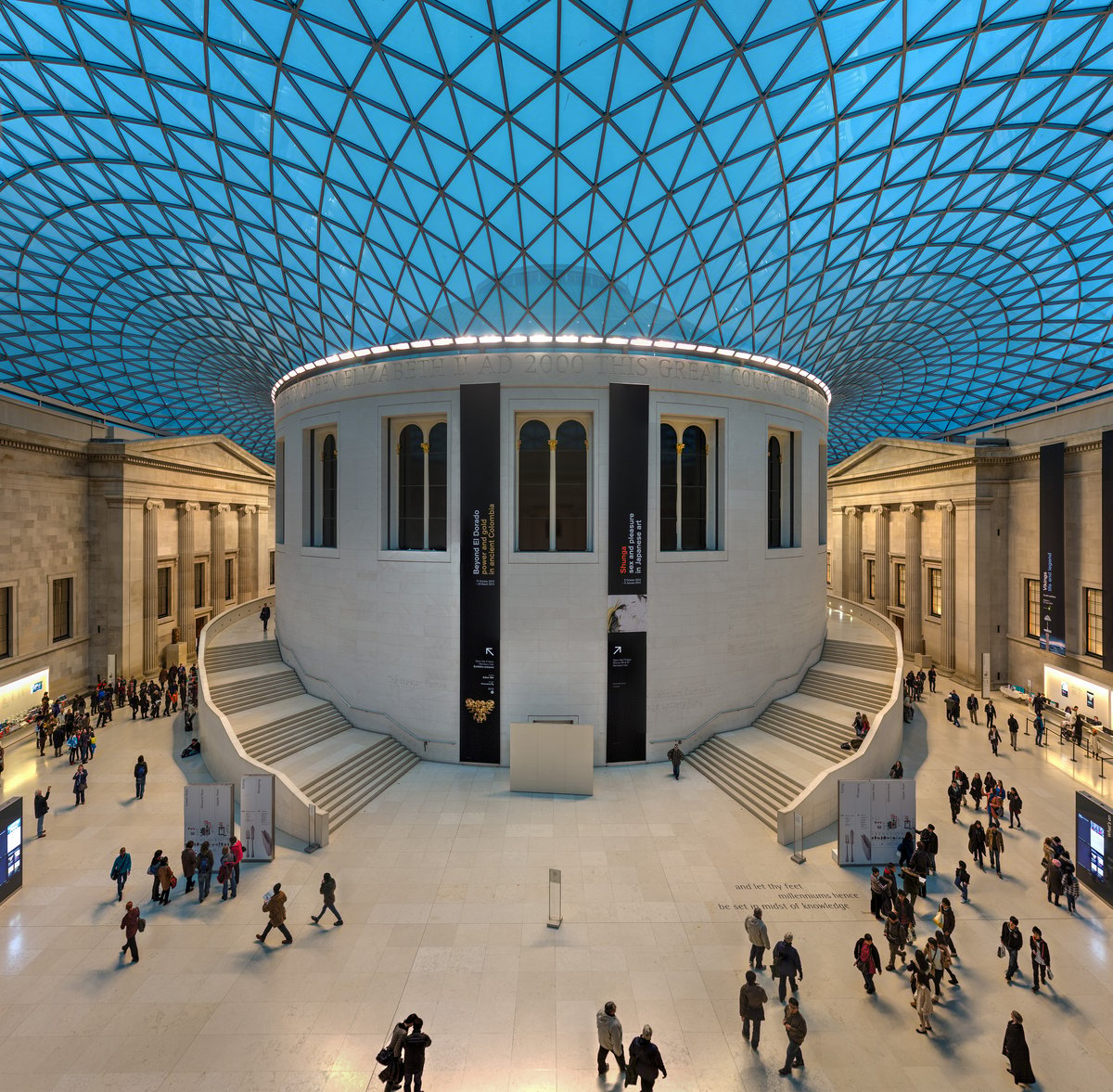
The British Museum has postponed its Jewish Culture Month event over fears of protests. Not protests against the event itself—protests against the fact that the event was happening. The institution’s logic has achieved a kind of perfect inversion: celebrating a culture is now too risky because someone, somewhere, might object to the celebration, and that objection might be loud.
This is what institutional cowardice looks like when it’s been focus-grouped into a press statement. The museum didn’t cancel because of a credible threat. It didn’t cancel because of violence or vandalism or anything concrete. It cancelled because it looked at the calendar, thought about the mere possibility that activists might show up with signs, and decided that the reputational cost of dealing with protesters was higher than the cost of telling an entire community that their cultural moment was too inconvenient to host.
The Campaign Against Antisemitism called it a victory for the “antisemitic mob.” They’re technically correct, but they’re also missing the deeper joke. This isn’t really about antisemitism winning. This is about an institution so terrified of being perceived as taking sides on anything that it’s willing to preemptively surrender before any actual battle begins. The British Museum looked at the prospect of a Jewish Culture Month and thought: “What if we just… didn’t.”
Here’s what’s genuinely absurd: the museum’s fear wasn’t hypothetical. Protests were apparently planned. Activists were apparently ready to show up. And rather than host the event and manage the protests—which is, you know, what public institutions are theoretically supposed to do—the museum decided that the path of least resistance was to tell the Jewish community that their cultural celebration would have to wait for a quieter moment. A moment that, statistically, will never come.
This is the cultural logic of the perpetually online protest ecosystem bleeding into real institutions. Everyone is now playing a game where the threat of backlash is more powerful than the thing being threatened. The museum didn’t need to be attacked. It just needed to imagine being attacked, and that was enough.
The real victory here isn’t for any protest movement. It’s for the principle that if you make enough noise about something, institutions will eventually just remove it from the calendar to spare themselves the headache. It’s a masterclass in how to get what you want without actually having to convince anyone you’re right—just make it clear that the cost of disagreeing with you is higher than the cost of capitulation.
The museum will reschedule the event when things “calm down.” They won’t. Things never calm down. This is the new normal: institutions announcing cultural programming and then withdrawing it based on the possibility—not the certainty, just the possibility—that someone will complain. The British Museum didn’t postpone Jewish Culture Month because of antisemitism. It postponed it because it’s more afraid of its own community than it is committed to its stated mission.
And that’s somehow worse.