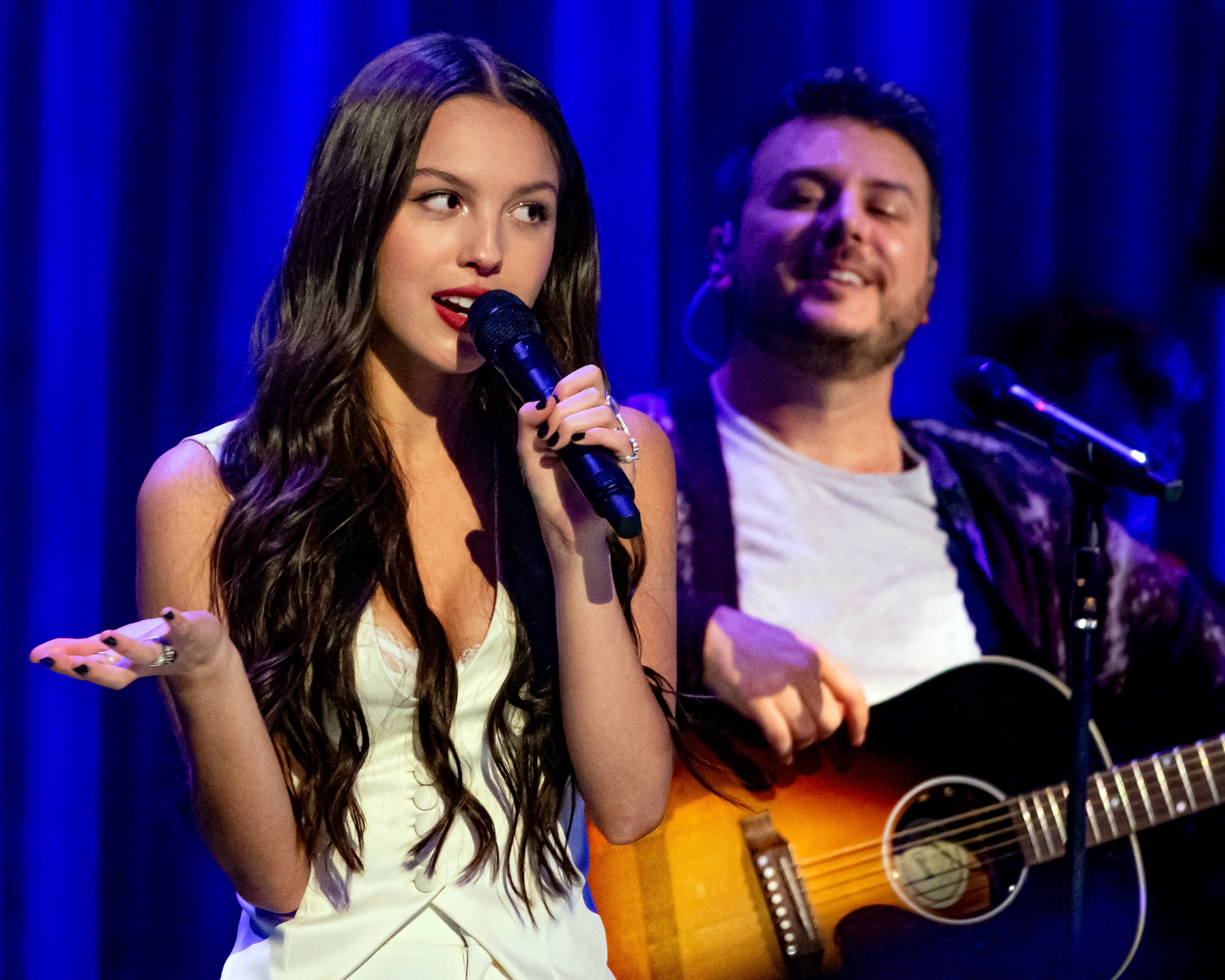
Female singers have discovered the ultimate cheat code: tell people your feelings are real and they will buy seventeen copies of your album. Olivia Rodrigo didn’t invent crying on stage, but she did invent the infrastructure to monetize it at scale. Now every emerging artist with a voice memo app and a trauma memoir is positioned as the next voice of a generation.
The formula is flawless. Record yourself sounding sad in a bedroom. Release it. Announce that yes, this sadness is authentic and comes from a real place. Watch the internet declare you a visionary for experiencing human emotion. The relatability industrial complex is now so efficient that feeling things has become a competitive sport.
What’s genuinely absurd is how the bar for authenticity keeps rising while remaining completely impossible to clear. You must be raw, but not too raw. Vulnerable, but still polished enough for TikTok. Real enough that Gen Z feels seen, but packaged enough that your label can sell merchandise. It’s like being asked to bake a cake that is simultaneously burnt and perfect.
The female singers winning right now understand something crucial: relatability is not about being like your audience. It’s about making your audience feel like they could theoretically be you if they just had better PR, a recording studio, and a publishing deal. You’re not relatable because you’re human. You’re relatable because you’ve weaponized your humanity into a business model that works.
The charts are full of women singing about their feelings with such calculated precision that the feelings themselves have become a product category. And it works because nobody wants authenticity anymore. They want the feeling of authenticity while scrolling through a perfectly curated feed.