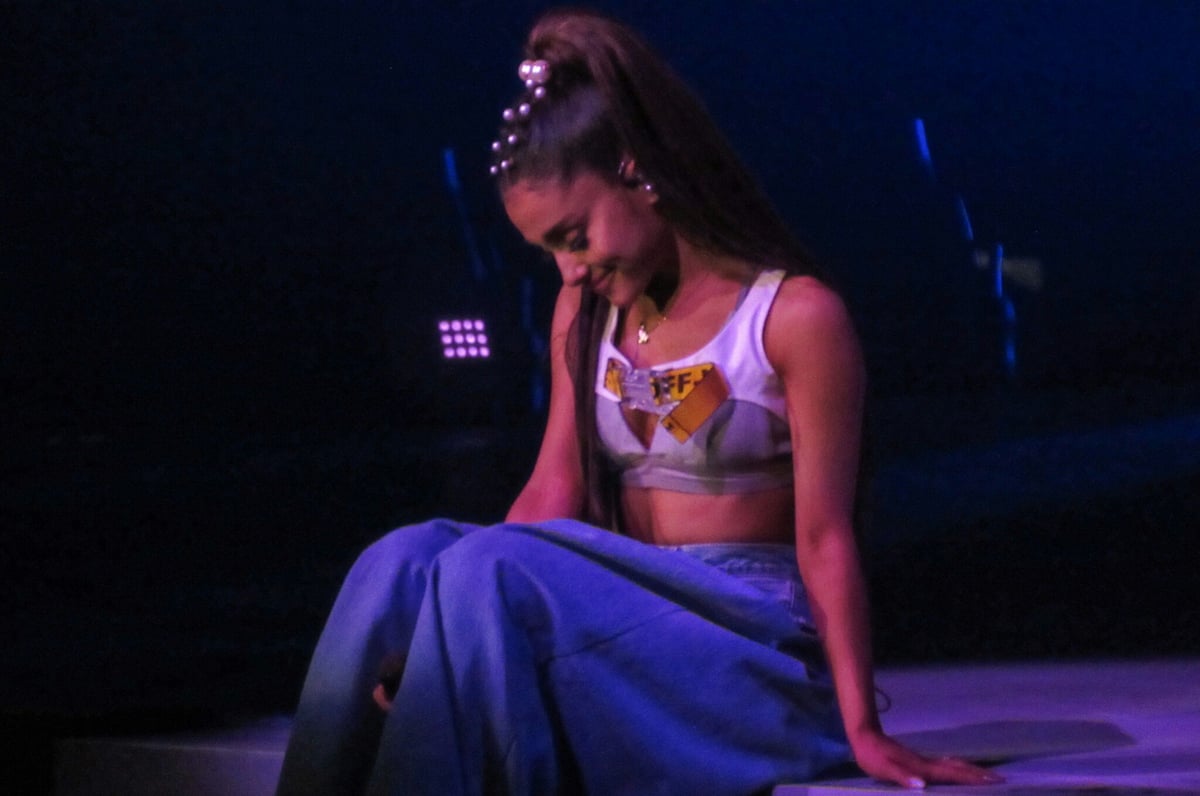
Ariana Grande has filed suit against unidentified hackers who obtained unreleased recordings and photos, seeking $10 million in damages for emotional distress. The court documents now contain more detailed descriptions of her stolen art than any legitimate music publication has ever bothered to write.
This is the correct response to a data breach, legally speaking. It is also completely unhinged. Grande is essentially asking a judge to validate her claim that someone else listening to her music caused her psychological harm—a legal theory that, if extended fairly, would make every Spotify subscriber a tortfeasor.
The real horror here isn’t the theft. It’s that her unreleased work is now preserved forever in discovery documents, analyzed by lawyers with the same aesthetic sensibility as a tax code. Her art has been transmuted into evidence. Hackers didn’t steal her music; they turned it into litigation.
The suit seeks to unmask the defendants through court order—a reasonable technical goal that will accomplish nothing. Hackers don’t leave forwarding addresses. They leave encrypted breadcrumbs and false trails. The court will issue subpoenas to ISPs and hosting providers who will shrug and produce logs that lead nowhere. Six months of legal fees later, Grande will own the IP address of someone in Romania who rented a VPN for $3.99.
Meanwhile, the unreleased tracks remain unreleased, which is either the best outcome for her reputation or the worst, depending on what actually got stolen.